


 Facebook
 Instagram
 LinkedIn
Final Score: Beavers Won, Junk Nothing
Located among the 33,000 acres of land between Cleveland and Akron that we humbly refer to as the Cuyahoga Valley National Park (CVNP), is a surprise. A true story of redemption. A case study of how, if given a chance, nature (and in this case beavers) will find a way to success.
If finding your way to success means turning a junk yard into a serene beavers’ marsh, then these industrious beavers deserve a Nobel prize.
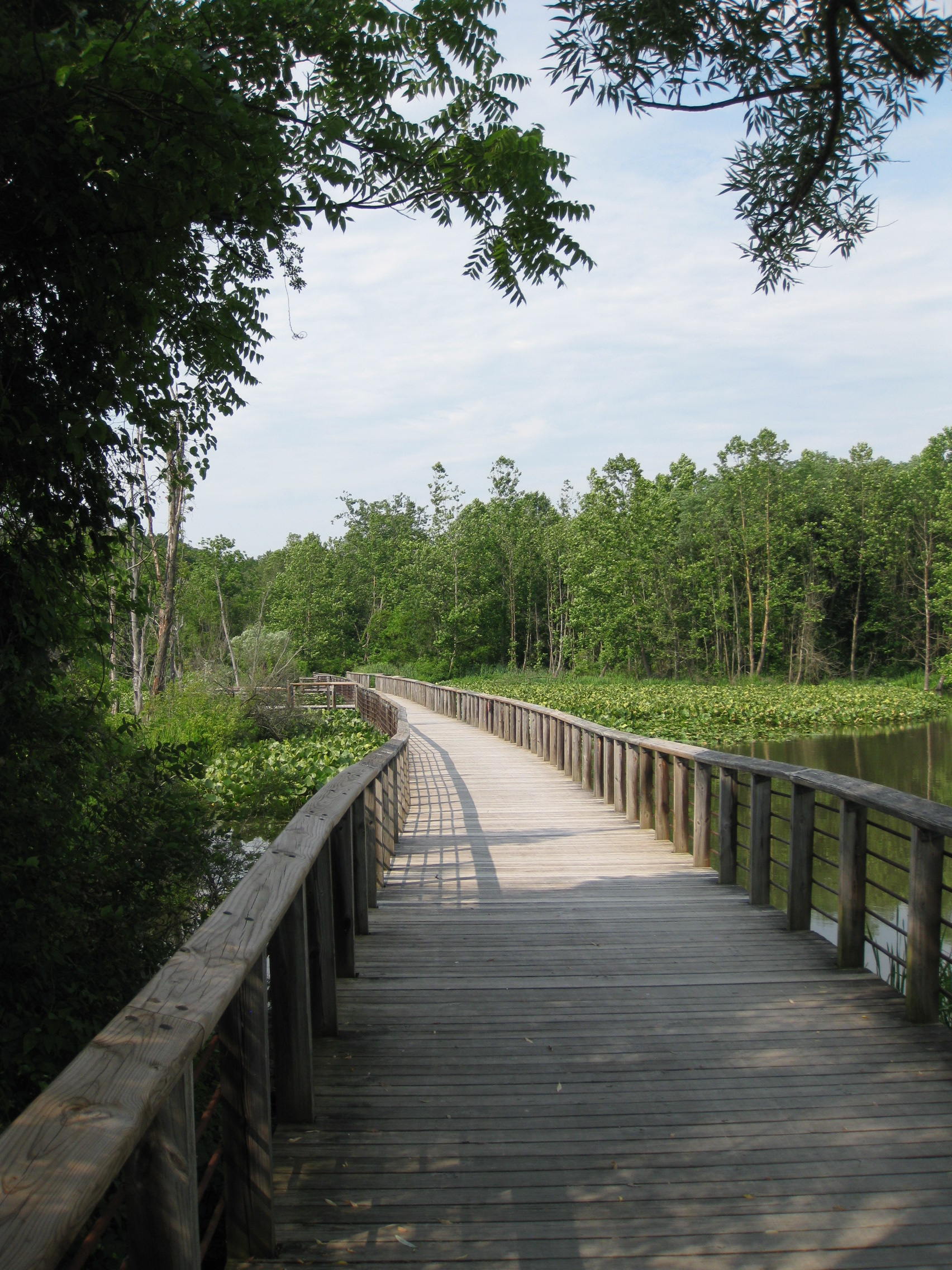
Towpath Trail Bridge Crossing Beaver Marsh. By David Fulmer, CC BY 2.0, via Wikimedia Commons
If you hike the Towpath Trail in the CVNP, you have likely passed or crossed over Beaver Marsh but may have not taken note of it. The path follows Riverview Road, and the significant 70-acre marsh is right there in its unassuming presence. If you didn’t pause for a moment to take it all in, you could easily just continue your hike over the wooden bridge and continue on your merry way.
Ah, but you would be missing a lot.
But before we get ahead of ourselves, let’s look back on the history of this place: according to the National Park Service, in the 1800s, land development actually drained the original wetland to allow for the building of the Ohio & Erie Canal. Darwin Carter ran a dairy farm in the area near Lock 26 in the early 1900s, but it was Burl Tonkin who ran an auto repair shop in the area on Riverview Road that transformed the complexion of the area.

Abandoned Lock 26 in the Beaver Marshes. It was used for transport and trade, especially milk. VRLapis, CC BY 4.0, via Wikimedia Commons
You see, Mr. Tonkin discarded a lot of his used auto parts and tires (a LOT of tires) into the swampy area. Other folks liked his idea and contributed to the problem. Before you knew it, the swamp had swallowed up tons of trash. Not only was it unsightly, it had eliminated much of the wildlife in the area. Once the National Park was established, it took a combination of humans and beavers to transport the area back into the wetlands it had once been and would be again.
Beavers had actually been absent from Ohio for over a century as they were aggressively trapped for their fur. Over time, they returned and one of the places they returned to was the wetland where they had once resided that we now call Beaver Marsh. Over time, beavers had built dams that flooded the area, altered their environment and created deeper water so they could operate under water and avoid the pitfalls of land.
A key moment took place in 1984 when volunteers for the Sierra Club cleaned up the various dump sites throughout the swamp. It was full of everything from car parts to tires to full bed springs and more.
Ohio has lost nearly 90% of its wetlands to development so preserving the Beaver Marsh was a major accomplishment.
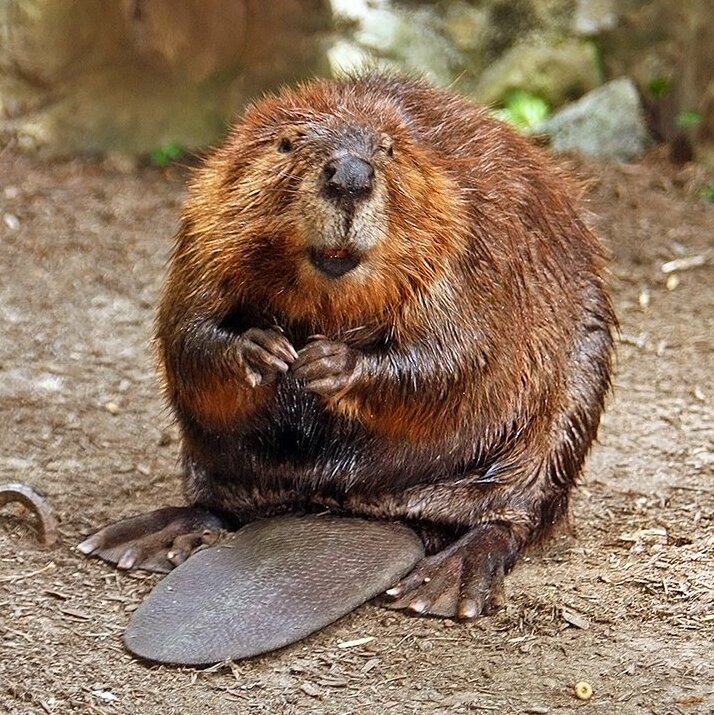
North American beaver (Castor canadensis) sitting with tail between its legs. By Steve from Washington, DC, USA, CC BY-SA 2.0, via Wikimedia Commons
You can find the Beaver Marsh just a quarter mile north of the Ira Trailhead.
And don’t forget, the Cuyahoga Valley Scenic Railroad runs across the street from the Beaver Marsh on most of its runs. The closest stop is Indigo Lake, with a mile walk or bike to the heart of the marsh.
During the summer, visit the Beaver Marsh from the CVSR using our one-way hike, bike or kayak ticket via the Explorer program!
